
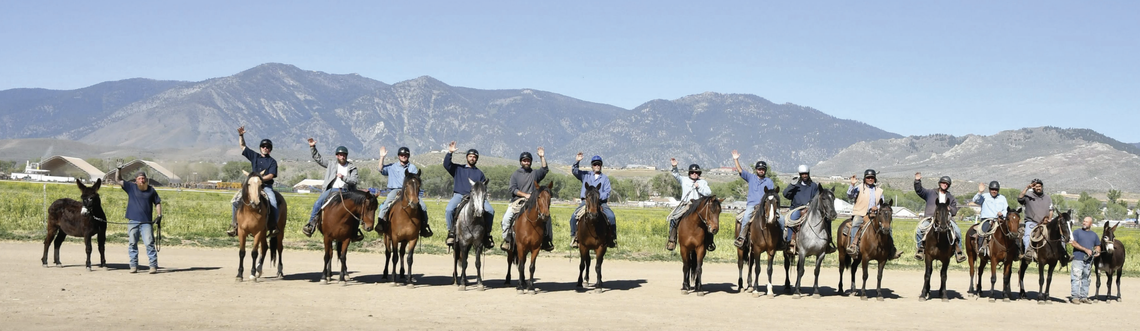
A wild horse adoption at the Northern Nevada Correctional Center brought some of the program’s strongest bids yet June 27, with 15 saddle-started horses and two burros finding new homes for a combined $80,700.
Thirty-five qualified bidders attended the competitive auction in Carson City, including adopters from across the country. The horses averaged $4,247 each, despite bidding opening at $150.
The top bid of the day was $9,500 for Jaro, a 3-year-old, 15.1-hand buckskin gelding from Nevada’s Grant Range Herd Management Area. Ace and Honey Badger each brought $8,000, while Bucky was adopted for $7,000 and Brave for $6,500.
Two burros also found homes. Cletus, a 3-year-old jack, was adopted for $1,100, while Shaggy, also a 3-year-old jack, brought $800.
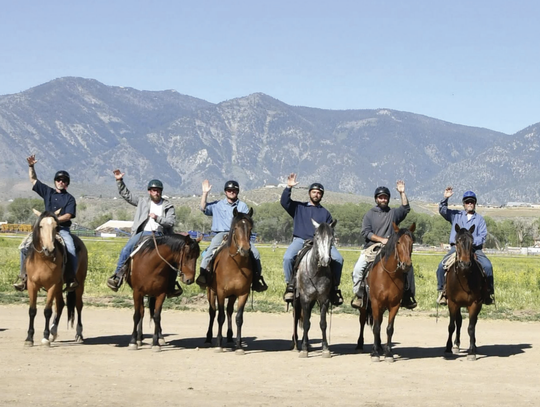
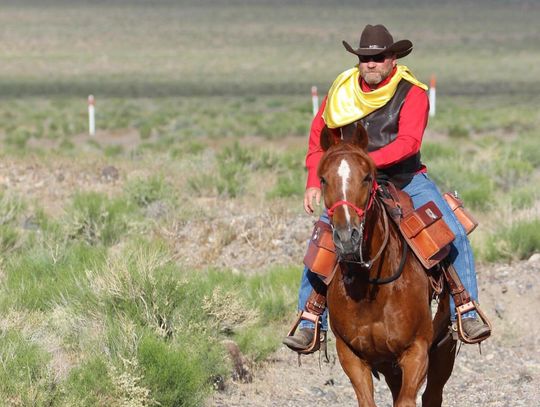
The animals came from Bureau of Land Management herd management areas in Nevada and Oregon and had spent approximately four months in the correctional center’s inmate training program. During that time, inmates taught the horses to accept a saddle and rider, respond to a lead rope and perform other basic skills needed for handling and riding.
The animals leave the program saddle-started, but the BLM cautions that they are still considered green-broke and need continued daily training by experienced handlers. The Northern Nevada Correctional Center program trains and places roughly 60 to 80 wild horses and burros each year through three or four public adoption events.
“The weather was nice and the turnout by the public was great for this event,” said Ruth Thompson, BLM Nevada Wild Horse and Burro lead. “To see what the inmates and the animals accomplished ensures that the horses and burro are going to good homes where they will be able to use their training for any job they are asked to do.”
The Carson City training program began in 2000 as a partnership between the Nevada Department of Corrections’ Silver State Industries and the Nevada Department of Agriculture. The BLM joined the effort in 2004, and inmates now train wild horses and burros removed from BLM-managed public lands.
The events are officially adoptions rather than outright sales. Successful bidders must provide proper care for the animal for one year before they may apply to receive title from the federal government. Prospective adopters must also complete a BLM application and demonstrate that they have suitable facilities before receiving a bidder card.
The BLM uses adoption as one of its principal methods for placing wild horses and burros into private care after animals are removed from overpopulated herds. The agency reports that more than 313,000 wild horses and burros have been placed into private care since 1971.
The next competitive-bid adoption at the Northern Nevada Correctional Center is scheduled for Oct. 24. Catalogs showing the available animals are generally posted by the BLM before each event.


Comment
Comments