
Nevada’s hospitality sector employs hundreds of thousands of people and drives billions of dollars in economic activity every year. I have spent my career in the beverage industry here, working with producers, distributors, retailers, and restaurant operators, and I have a clear view of our closely linked hospitality and beverage ecosystems. Pressure in one part of that system does not stay contained but rather spreads rapidly. Right now, America’s brewing industry is under enormous pressure from imported Mexican beer, which is having ripple effects throughout the economy, touching everything from agriculture to hospitality to trucking. We need trade policy that supports our domestic brewers and the industries that rely on them.
Wherever you fall on the political spectrum, it’s important to note at the outset that I do not view tariffs as an inherently partisan issue. America is part of a global economy and fair trade offers our domestic businesses a real chance to compete. This is sorely needed in the brewing industry because American beermakers, be they craft brewers or large manufacturers, face massive structural disadvantages in the global market.
Beer imports have almost doubled their share of the American market over the past decade, growing from about 14 percent in 2013 to nearly one in four beers consumed today. More than 80 percent of those imports come from Mexico, where large breweries have been scaling up rapidly with the American market as their explicit target. Workers in those facilities earn approximately $3,700 a year. American brewery workers earn nearly $80,000. Mexican producers also pay substantially lower taxes and face far less burdensome regulatory requirements than American companies.
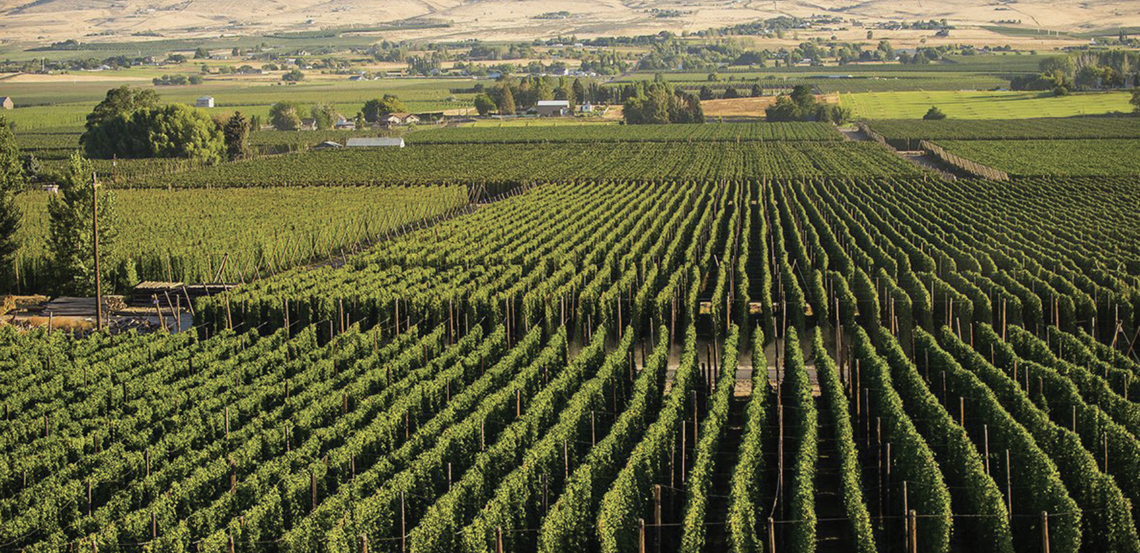
Farmers have an important stake in the success of the U.S. brewing industry. American brewers purchase more than one billion dollars in agricultural products every year, including the barley and hops used in making beer. As domestic production contracts, that demand contracts with it, traveling through the distribution network into the restaurants and bars that carry American brands, and into the communities that depend on all of it.
What I see in my day-to-day work is the pressure this places on independent operators. Restaurants and bars in Nevada are already navigating one of the most difficult operating environments in recent memory. Food costs, labor costs, and overhead have all climbed steeply. Operators who built their businesses on thin margins are now making difficult decisions about what beverage products to carry. Most consumers only ever get a glimpse of the vast beverage supply chain in this country, but all of it is heavily dependent on a robust and thriving American brewing industry.
Nevada is an instructive case precisely because our economy is so heavily weighted toward hospitality and tourism. The servers, bartenders, distributors, and small-business owners who make this state work are downstream from the trade policy decisions made in Washington, D.C. If current trends hold, beer imports are projected to account for as much as 40 percent of total U.S. consumption, with estimated GDP losses of up to $23 billion. Those losses will be felt the most by the workers and smallbusiness owners who have the least capacity to absorb them. These are people I work with on a daily basis, and I can tell you that is the last thing they need right now.
We have watched too many oncethriving American industries lose ground to foreign competition. The fallout always comes in the form of lost jobs and struggling communities, particularly rural ones. Tariffs on beer imported from Mexico will help to give America’s breweries a fighting chance. I urge the Trump Administration to defend our U.S. beverage economy by enacting these tariffs.
Mary Ellen Tsunis is a Nevada-based wine and beverage industry professional with extensive experience across the beverage, hospitality, and restaurant sectors.




Comment
Comments