
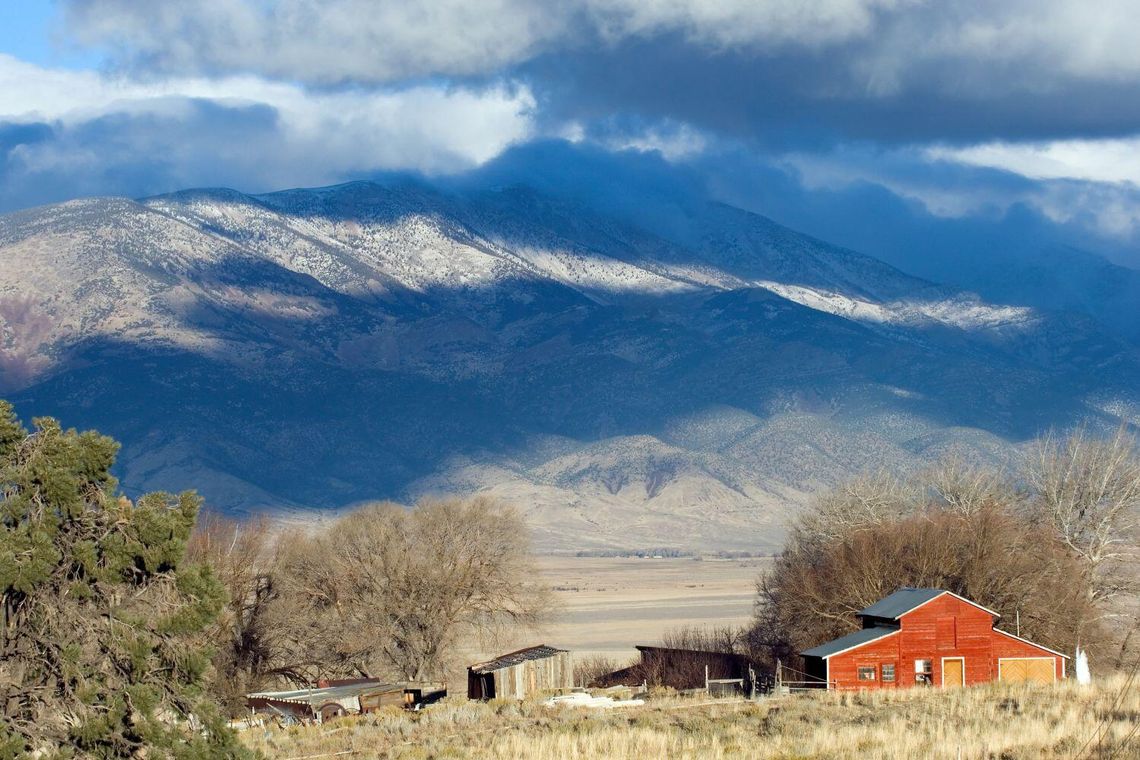
Approximately 85-87 percent of Nevada’s land is owned and managed by the federal government, the highest percentage of any state outside Alaska. This unique landscape is the result of history, federal policy, and land management decisions that continue to shape Nevada today.
In Nevada today, approximately 48 million acres, or 63 percent of the state, are managed by the U.S. Bureau of Land Management (BLM). Another 5.9 million acres are managed by the U.S. Forest Service, primarily in mountainous and forested areas. Additional public lands are stewarded by the U.S. Fish and Wildlife Service, National Park Service, Department of Defense, and tribal governments
Nevada’s public land system dates back to 1846, when the United States and Mexico signed the Treaty of Guadalupe Hidalgo, ending the Mexican-American War. Under the treaty, all land in what is now Nevada was transferred directly from the Mexican government to the United States federal government. When Nevada became a state in 1864, its constitution specified that it would claim only land already held by the federal government. As a result, the vast majority of Nevada’s land remained under federal ownership.
Federal land ownership expanded through a series of laws designed to encourage settlement, education, and resource development. The Homestead Act of 1862 allowed individuals to claim up to 160 acres of land for farming, while the Land Grant College Act of 1862 provided land to states to fund colleges focused on agriculture and mechanical arts. Nevada was also granted sections 16 and 36 of each township, as well as the right to select 2 million acres of “in lieu” lands, many of them along rivers and fertile valleys. Selling these lands helped finance the development of the University of Nevada, Reno.
Mining laws also contributed to land ownership. Under the Lode Law of 1866 and the Mining Law of 1872, miners could secure land patents for valuable mineral claims. These private lands became heavily concentrated in historic mining districts such as the Comstock Lode, Tonopah, Goldfield, and northeastern Nevada’s large open-pit gold mines.
Additionally, large sections of public land were designated for specific uses. Native American reservations were recognized as sovereign tribal lands. The Naval Air Station Fallon training range, the Nellis Air Force Range, and the former Nevada Test Site were set aside for military use. National parks, monuments, and wilderness areas were protected from development and resource extraction. While managed by different entities, these are all still federally owned lands.
Although much of Nevada remains public, land has been transferred over time. The Southern Nevada Public Lands Management Act of 1998 authorized the sale of federal land in Clark County for urban development. Proceeds from this act were directed toward conservation efforts, recreation projects, and environmental preservation, including sensitive lands near Lake Tahoe.
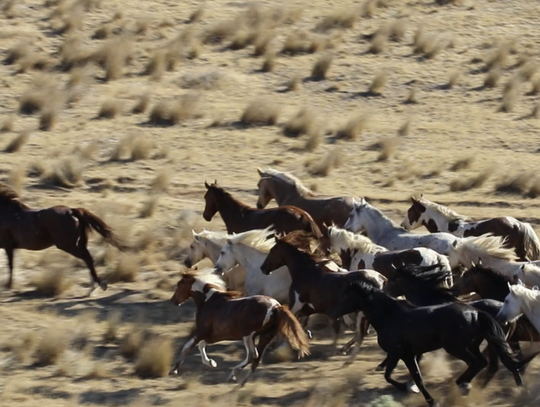
Advantages to public lands in Nevada include access to recreational activities and economic impacts. Federally owned lands support hunting, fishing, camping, horseback riding, boating on Lake Tahoe, Pyramid Lake, and Lake Mead, and also offer some of the darkest night skies in the country. Nevada’s mineral resources support the economy and its growing energy industry.
At the same time, there are some disadvantages to having so much federally owned land. Limited private land availability can restrict development, in turn driving up housing costs and complicating infrastructure expansion. Restricted development leads to conflicts among recreation, resource extraction, and conservation. These conflicts are often resolved only through lengthy permitting processes, which frustrate local governments and industries.
As population growth, resource needs, and land-use priorities evolve, Nevada’s public lands remain a defining feature of the state’s identity and a continuing focus of policy and management decisions at all levels of government.



Comment
Comments